

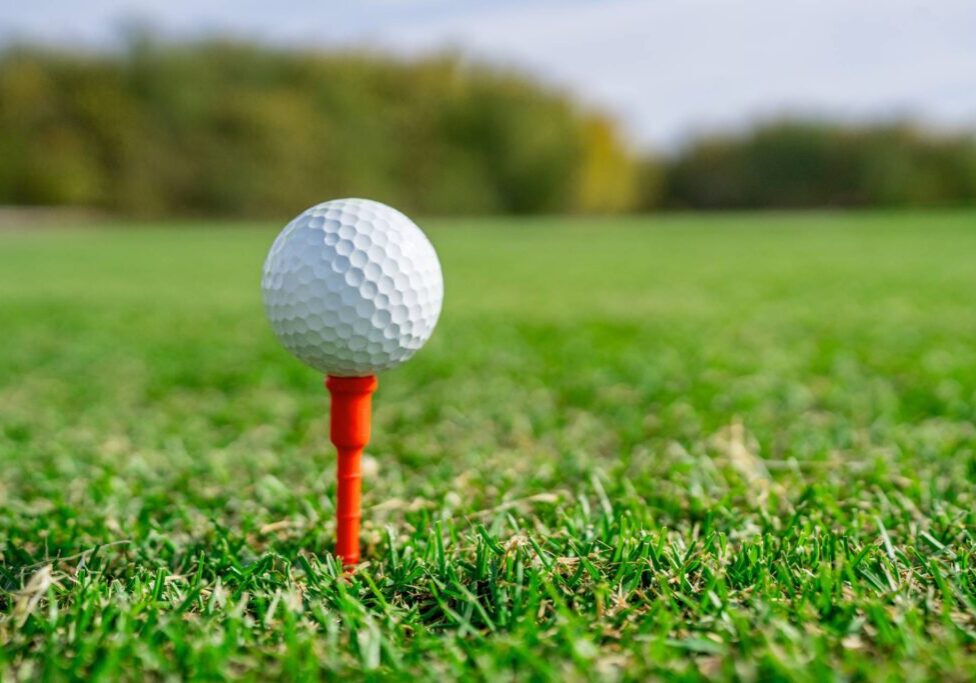
When most golfers think about improving their game, clubs tend to get all the attention. But there’s another piece of equipment that has a major influence on performance: the golf ball. Whether you’re playing on the course or practicing on an indoor golf simulator, the ball you choose affects distance, spin, feel, and even confidence.
Distance vs. Control: Finding the Balance
One of the first choices golfers face is whether to prioritize distance or control. Some balls are engineered with lower spin rates to maximize length off the tea, while others are designed to provide higher spin for precision around the greens.
- Distance-focused balls: Typically feature a firmer cover and lower spin, which helps keep drives straighter and longer.
- Control-focused balls: Often have softer covers and generate more spin, giving skilled players better stopping power on approach shots.
Understanding your personal strengths—whether you rely more on long drives or precise short-game shots—will help guide your decision.
Swing Speed and Compression
Compression is a measure of how much a golf ball deforms at impact. Matching compression to your swing speed is critical:
- Low swing speed: A low-compression ball allows for better energy transfer, helping maximize distance.
- Moderate swing speed: A mid-compression ball offers a balance of distance and control.
- High swing speed: A high-compression ball is ideal, as it can withstand the force of faster swings and provide consistent performance.
If you’re unsure of your swing speed, an indoor golf simulator can provide accurate data. This makes it easier to narrow down the right compression level without guesswork.
Spin: Friend and Foe
Spin is a double-edged sword. Off the tea, too much spin can cause shots to balloon or curve off target. Around the green, however, spin is invaluable for stopping the ball quickly.
- Low-spin balls: Great for players who struggle with slices or hooks and want straighter flight paths.
- Mid-spin balls: A balanced choice for golfers seeking a mix of forgiveness and control.
- High-spin balls: Best for advanced players who want to shape shots and exercise precise approaches.
For beginners, choosing the right golf ball would help if you are still starting out by reducing mis-hits and keeping the ball straighter. For advanced players, the right spin profile can make the difference between a birdie and a bogey.
Feel: Confidence at Impact
“Feel” refers to how the ball responds off the clubface. Some golfers prefer the crisp feedback of a firmer ball, while others enjoy the softer sensation of a low-compression model. Feel doesn’t just affect comfort; it influences comfort. If you like the way the ball reacts on chips, putts, and full swings, you’ll commit more fully to each shot.
Testing different balls both outdoors and on a simulator helps you discover what feel inspires the most confidence in your game.
Matching Ball to Skill Level
Beginners
- Look for low-compression, low-spin balls that maximize forgiveness.
- Prioritize durability—since beginners often lose more balls, cost-effectiveness matters.
- Don’t overthink it at first; consistency is more important than brand.
Intermediate Players
- Experiment with mid-spin options to balance control and distance.
- Pay attention to short-game feel, as this is where you can start shaving strokes.
- Use data from practice sessions to narrow preferences.
Advanced Players
- Choose balls that allow for maximum shot-shaping and greenside spin.
- Test several premium models to find the one that complements your unique swing.
- Recognize that subtle differences, like cover material and dimple patters, can have measurable impacts.
Practical Tips for Every Golfer
- Test before committing: Buy a sleeve instead of a dozen to see if the ball suits your style.
- Stay consistent: Switching balls too often makes it harder to build reliable feedback.
- Pack your golf balls with you: Using the same ball across different practice settings—whether on the course or in a simulator—helps maintain consistency.
- Track performance: Use launch monitors or simulators to measure changes in spin, launch angle, and distance when trying new balls.
While clubs often steal the spotlight, your golf ball is just as essential to performance. From swing speed and compression to spin and feel, every factor influences how your game unfolds. For beginners, choosing the right golf ball can provide more forgiveness and confidence. For experienced players, it can mean unlocking subtle advantages that lead to lower scores.
The next time you step onto the course or an indoor golf simulator, remember: the perfect golf swing requires the perfect golf ball. Take the time to find yours, and you’ll notice the difference in every shot.